Coffee Times, Shinjuku: a 1967 kissaten with no queue
Korean original on Naver blog ↗Korean version, 한국어로 읽기 ↗
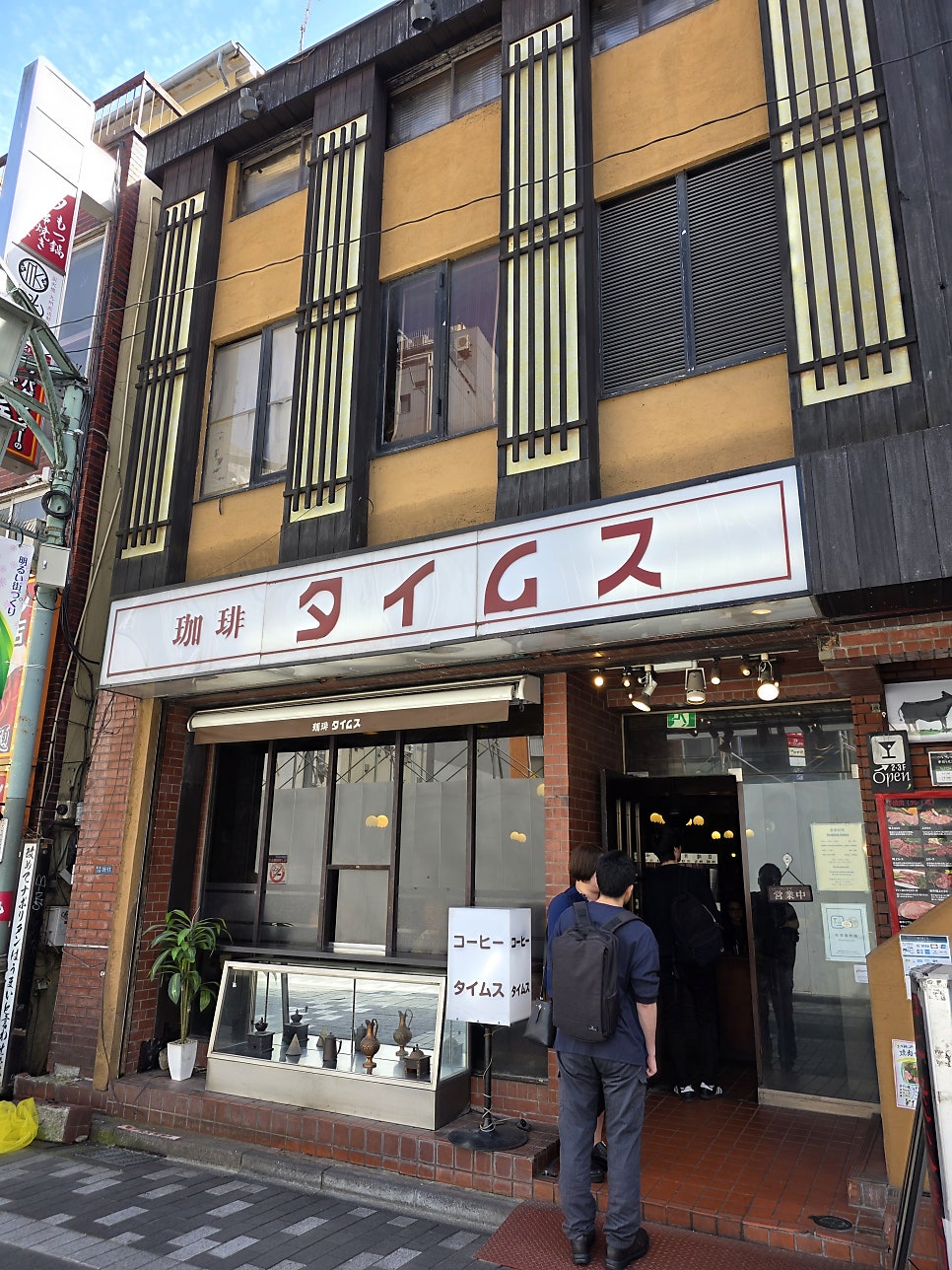
A cafe in Tokyo is a different idea from a cafe in Korea. In Seoul, coffee is coffee and restaurants are restaurants. In Tokyo a cafe toasts bread, makes hot dogs and sells dessert, so it is also somewhere to have a light meal, which is why so many run on regulars, with the owner and the customers growing old together.
Tokyo has a great many kissaten, old-style coffee houses, each with its own philosophy of coffee. If you look for one near the sights in Shinjuku you will find Cafe L’Ambre (名曲喫茶らんぶる), which is famous, and famous for its line: one to two hours even outside meal times, even if you arrive at opening. In a Tokyo summer, that is not a way to spend an afternoon.
I found an alternative, and honestly a better hour. If you want a proper Tokyo kissaten that still looks like the 1960s and 70s, go to Coffee Times in Shinjuku. I stopped in for a bite on the way to Nakano Broadway, and it became the place I remembered most from the whole trip.
Before you go
| Item | Notes |
|---|---|
| Ordering | Coffee, soft drinks, and food. A morning service from 8 to 11 pairs coffee with toast, salad or a boiled egg; there are snack sets of coffee plus a light meal. I had a Vienna coffee and a hot dog toast |
| Timing | Food took 15 to 20 minutes when it was busy. It is a fully smoking cafe; the ventilation is good, but if smoke bothers you, think twice |
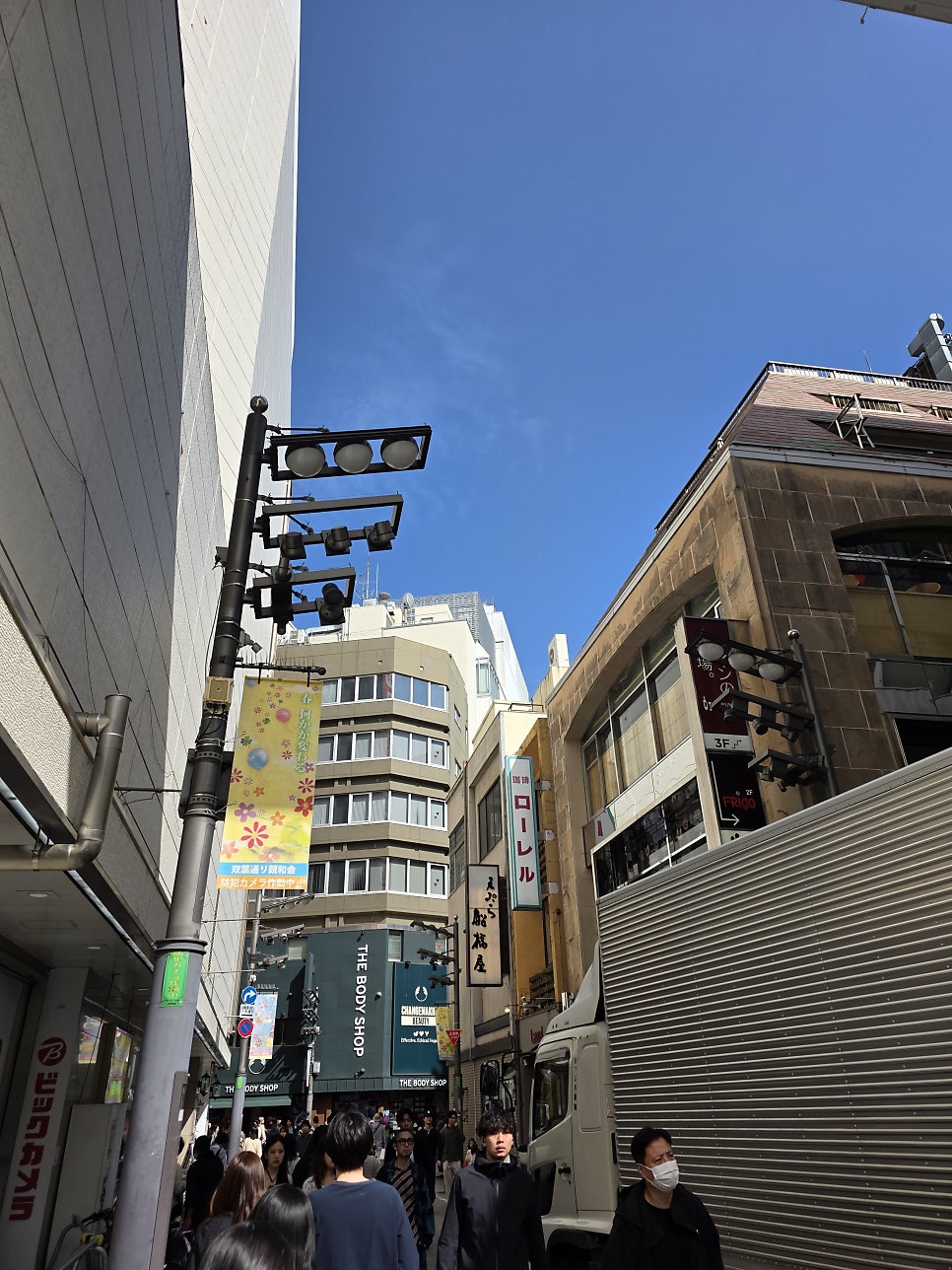
| Getting there | Two minutes on foot from Shinjuku-sanchome station, walkable from JR Shinjuku. About five minutes to Shinjuku station, then ten by JR to Nakano |
| Japanese name | 珈琲タイムス |
The wall of newspapers
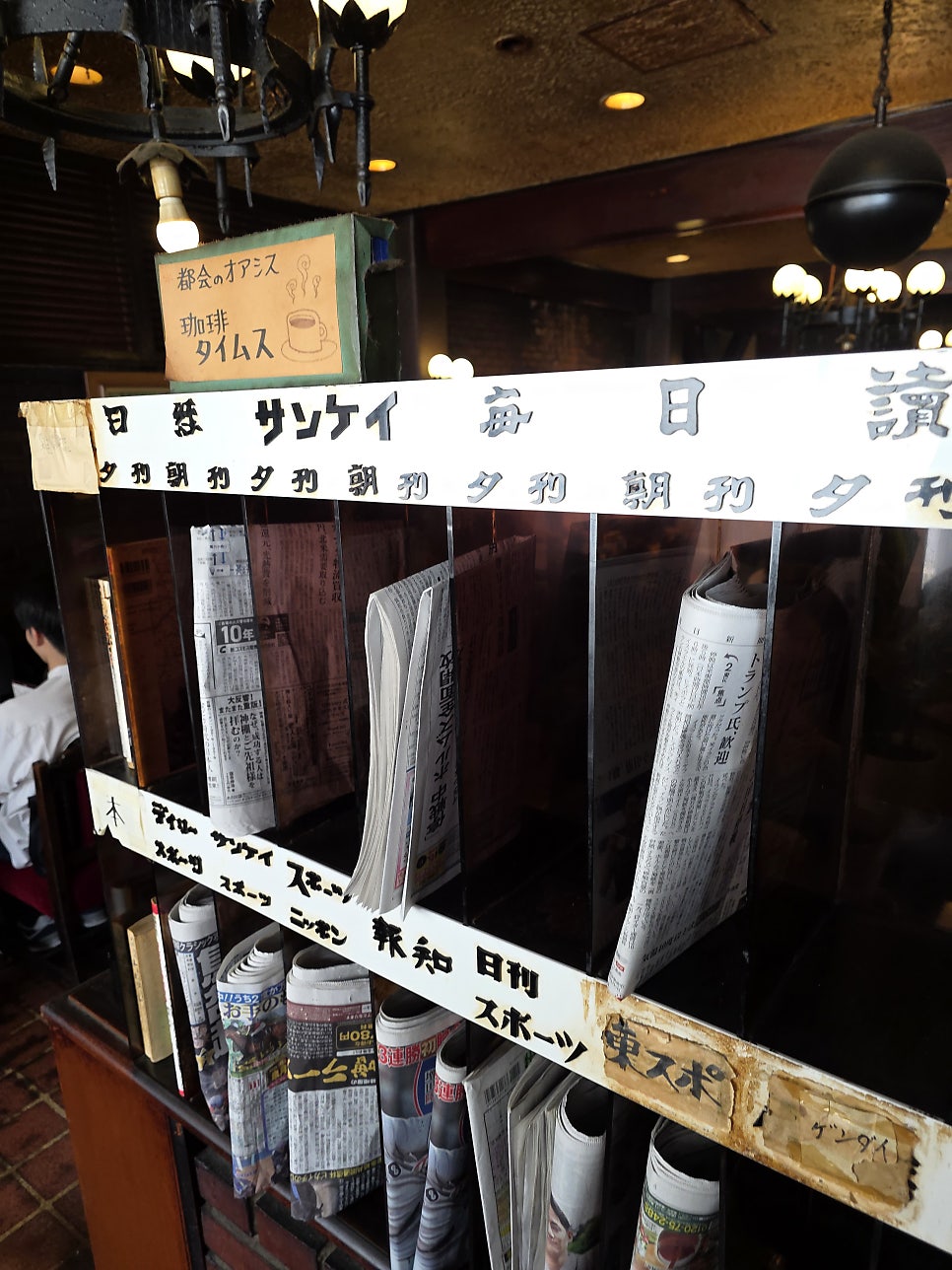
The first thing I saw after sitting down was the wall: one whole side is a newspaper rack, six or seven dailies delivered fresh every morning for customers to take to their table. Nikkei, Asahi, Sankei, Tokyo Sports, Nikkan Sports. I got talking to a member of staff and asked about the name. The rack was custom-built when the cafe opened in 1967, one of the papers in it had Times in its title, and the cafe was named after the furniture. I had never heard of a cafe named after a shelf.
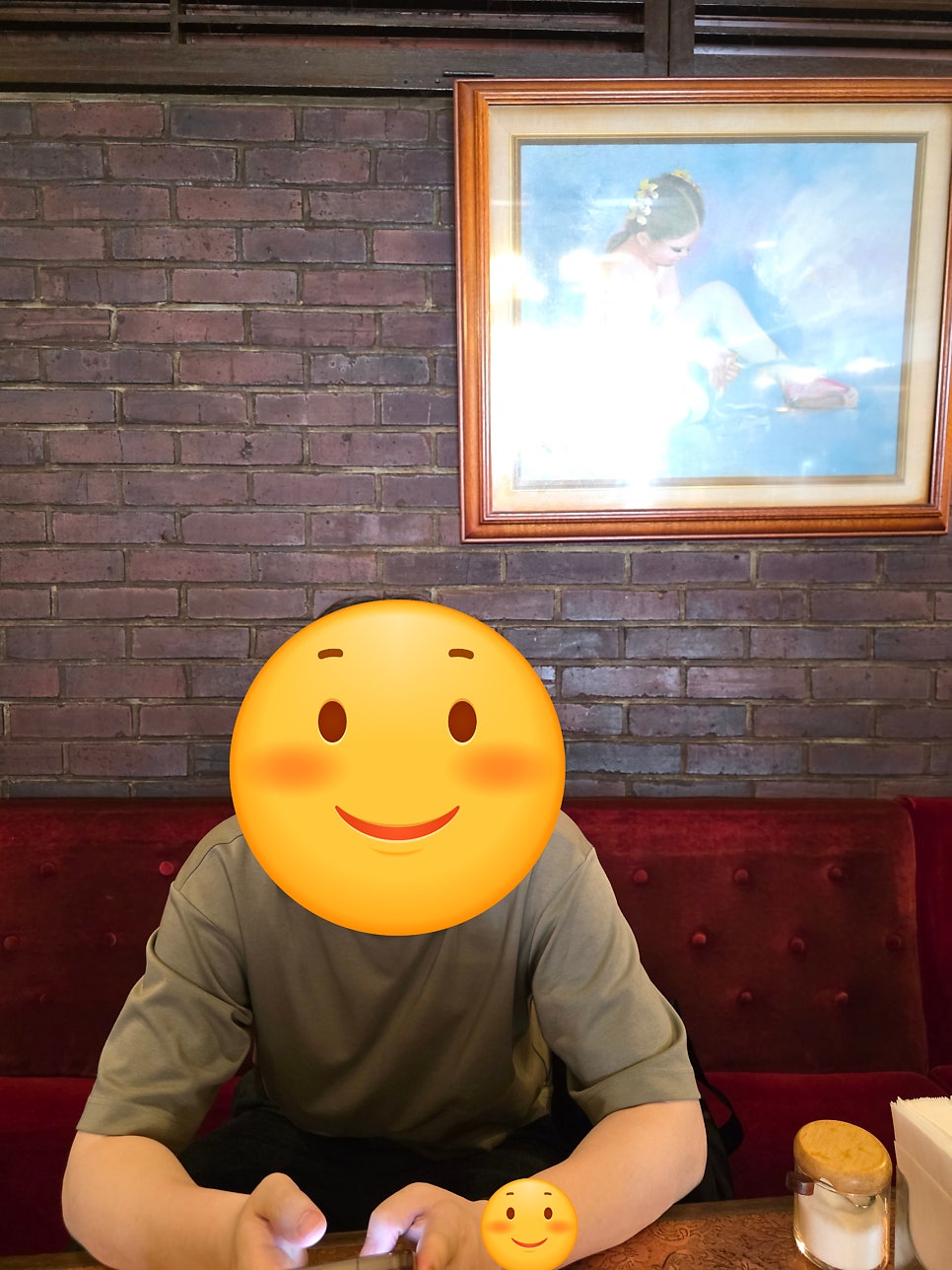
In Japan a cafe like this is called a jun-kissa, a pure coffee house, a term that once distinguished places serving only coffee and tea from those serving alcohol or staffed by hostesses. Coffee Times opened in 1967 and is coming up on sixty years. On the east side of Shinjuku there are three old jun-kissa, L’Ambre from 1950, Seibu from 1964 and Times from 1967, and among Tokyo cafe obsessives there is a pilgrimage of the three. Times is the heaviest of them: dark wood, jazz on the speakers, a weight to the room. A waitress with bleached blonde hair against all that dark wood was the moment I felt I was in Tokyo. Seongsu in Seoul gives me something like the same feeling.
The customers were more varied than I expected: a man in his sixties reading the paper over a slow coffee, a couple in their thirties on a date, two friends who had been talking for two hours. Sixty years ago it must have been a salon of cigarettes, newspapers and loud argument; that feeling has faded, though the whole room is still smoking and, to my surprise, it was not stifling. Almost nobody had a laptop open, which the smoking probably explains.
Vienna coffee
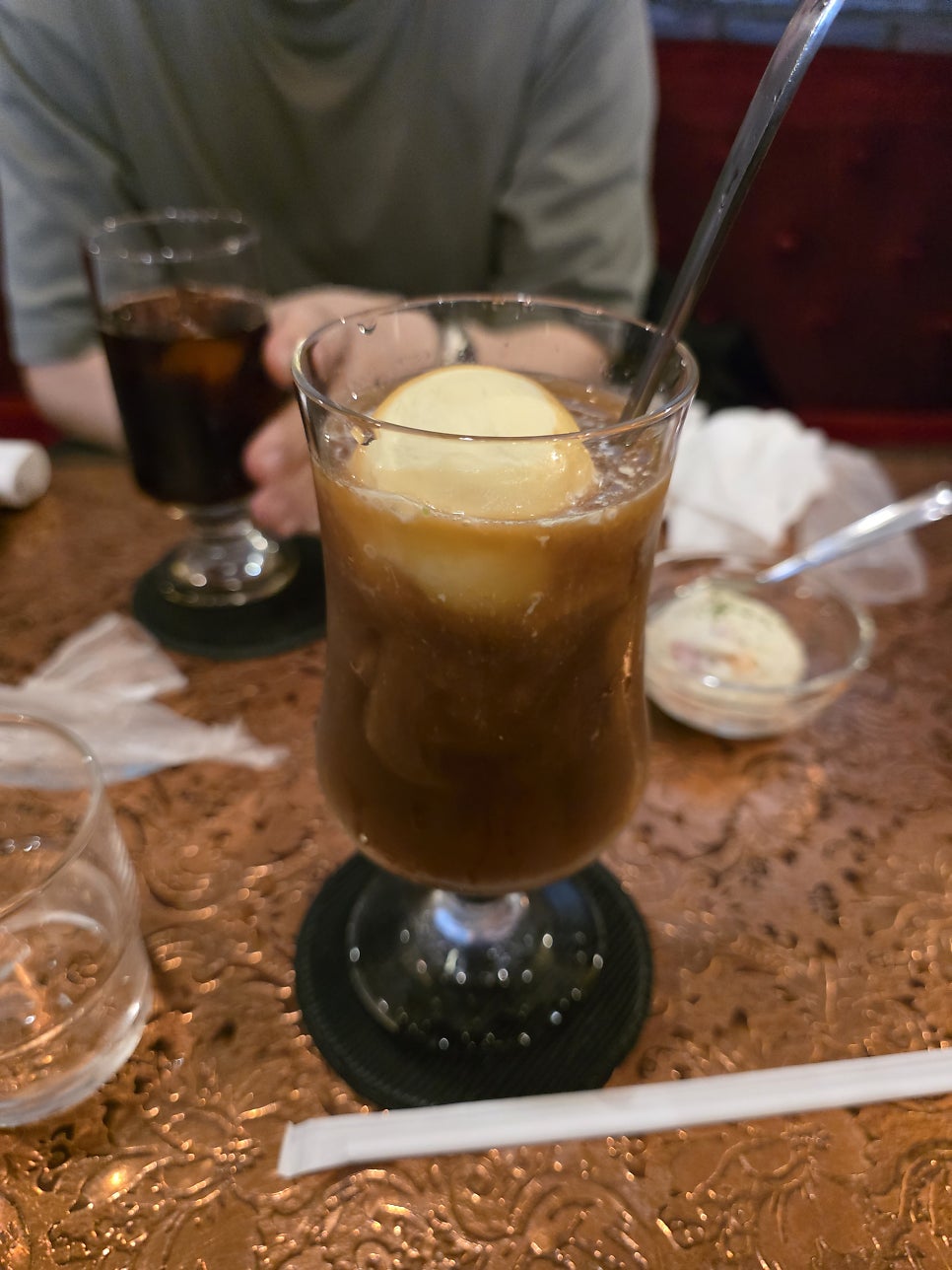
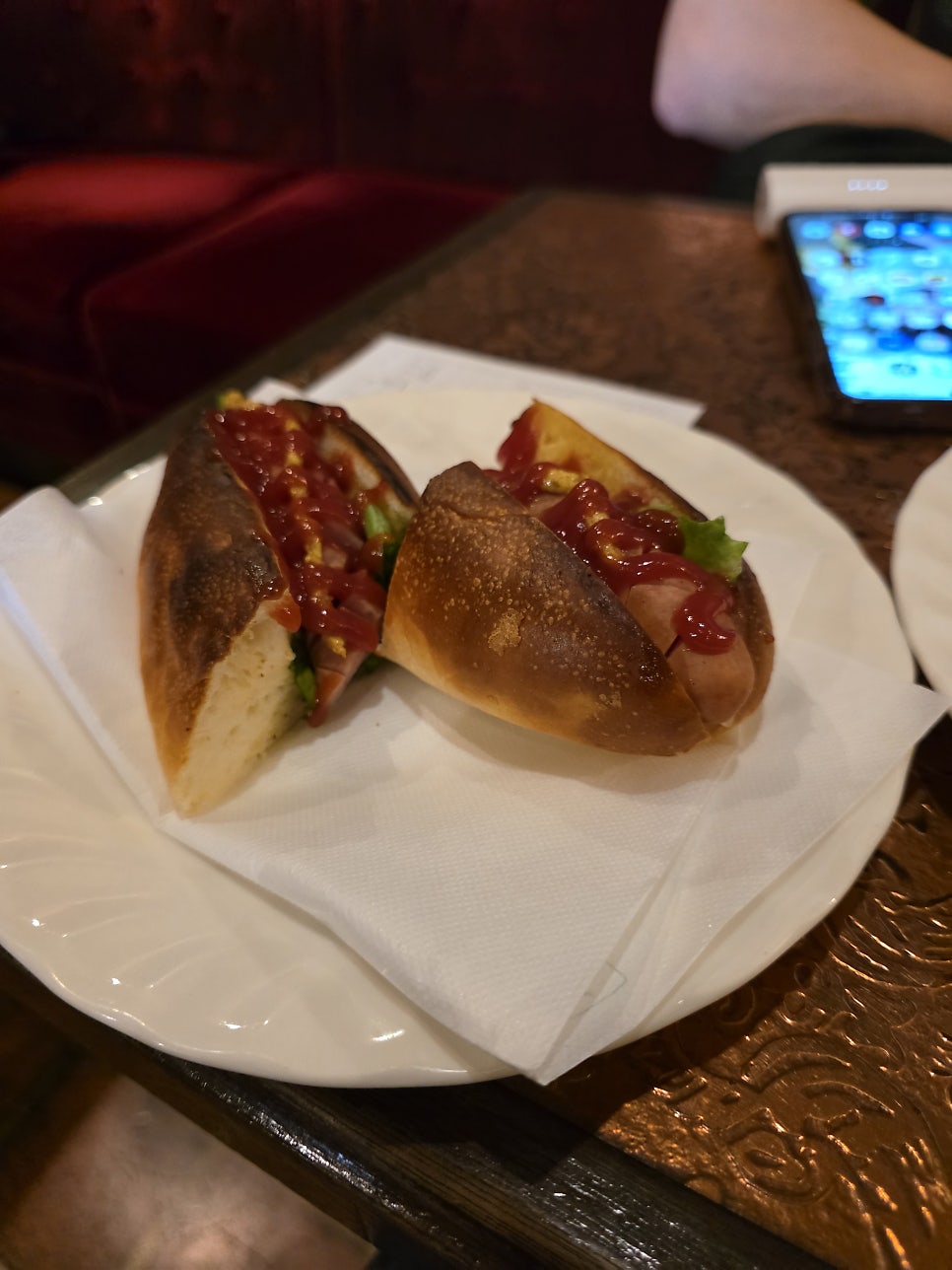
I ordered the Vienna coffee, written ウインナーコーヒー on the menu, the classic kissaten drink of strong coffee under a scoop of ice cream. You rarely see it in Korea. I assumed it was an affogato over iced coffee. It is not quite. No straw; you drink it straight and the ice cream and coffee arrive together, and as the ice cream melts the sweetness rises, so the first sip and the last sip are different drinks. If you visit a Tokyo kissaten and skip this, you have missed something.
A small kindness: the snack set only covers regular coffee, and the Vienna coffee should not have qualified. There was some confusion between us, and the waitress simply charged the fifty-yen difference and let it go. I only noticed on the bill. In America I would have tipped; here I am saying thank you in writing.
The hot dog toast was a sausage and lettuce in thick, warm bread with ketchup, simple and right for a light meal, and it balanced the sweetness of the coffee. When it was busy the food took fifteen to twenty minutes and I wondered whether the order had gone in.
We stayed about an hour. As we got up, the older man at the next table finished one paper and went to the rack for a second, and for a moment I could picture how this room worked sixty years ago. I always do that in old places, imagining bubble-era Tokyo.
I’d recommend it to anyone on a second or third Tokyo trip who has done the hot spots around Shinjuku station, to anyone who likes Showa-era retro cafes, to people who want a real kissaten without the L’Ambre queue, and to anyone with a spare hour on the east side of Shinjuku or on the way to Nakano Broadway. Of the three old jun-kissa, if dark wood and jazz are your taste, this is the one. Next time I want the morning service: toast, potato salad, a boiled egg and coffee.
My rating: 4/5, and I notice I have been generous lately.